Support Ops & Teams
Growth & Metrics
Published on
16.12.2025
Last updated on
23.09.2026
How To Master Ecommerce Customer Service in 2026: Free Script Pack

Olha
Support Operations Manager

Olha
Support Operations Manager
Online stores face a simple truth in 2026: your eCommerce customer service either helps you build loyalty or drives customers straight to competitors. With at least 38% of shoppers expecting immediate responses to their queries across all channels, the pressure to deliver flawless support has never been higher. And don’t forget that poor service directly impacts your bottom line – retail brands can expect to lose up to $3 trillion in 2026 due to bad customer experiences.
Based on this, we can all agree that what really sets thriving online stores apart from struggling ones is excellent support. It turns curious browsers into confident buyers and first-time customers into loyal fans. When it’s done well, customer service becomes one of your strongest sales drivers. And below, we will talk about some of the most promising tactics to pursue in 2026 to make your customer support for eCommerce store work for your business.
Customer support has become a major part of the buying experience itself. Today's shoppers interact with brands through an average of nine different support channels, expecting seamless, personalized experiences at every touchpoint. Speed matters – best-in-class retailers now respond within 30 to 60 minutes. Anything over two hours? That’s already behind the curve.
This shift toward instant, round-the-clock availability transforms how online stores operate. According to research from Nextiva, 73% of customers expect brands to understand their unique needs and preferences. Personalization is not just a perk anymore. It’s the baseline heading into 2026.
Every interaction also echoes far beyond your inbox. Customers talk about their experiences online, and nearly 95% of consumers read reviews before making a purchase. Thus, even one bad moment can snowball into a viral complaint, undoing months of carefully crafted marketing in a matter of hours.
Customer support for eCommerce also has a genuine financial impact. Studies show that companies excelling in customer experience achieve revenues 4-8% above their market average. But how? Well, support teams do far more than just resolve tickets. They rescue abandoned carts, turn pre-purchase doubts into sales, and boost order value through confident product guidance.
As such, businesses strategically leveraging eCommerce customer service best practices see repeat purchase rates climb alongside reduced churn. When shoppers trust your support team, they're more likely to forgive shipping delays, return for new purchases, and recommend your store to friends.
Building a support operation that drives sales requires focusing on fundamentals that directly impact conversion. The stores winning in 2026 don't just answer questions – they create experiences that remove friction from the buying journey.
Benchmarks in customer service for eCommerce businesses have shifted dramatically. First response times averaging 4-6 hours used to be acceptable. Now, top performers respond under an hour (or better yet, 15-30 minutes) for high-volume channels. One of the popular outcourced customer service providers EverHelp, for instance, offers first response times of 45 seconds for live chats and up to 10 minutes for emails. And this is something most customers (and businesses) are looking for in support services now.
But speed alone isn't enough. The real differentiator is resolution: achieving 80%+ first contact resolution means customers don't need to follow up, saving everyone time and frustration.
That level of performance requires more than quick replies:
Different channels serve distinct purposes in the buyer journey:
The challenge, however, isn't offering all these support channels. It's making sure context is transferred seamlessly between them. When customers move from chat to email to phone, they shouldn't repeat their story three times. And that's why unified systems that display full conversation history, order details, and past interactions in one view are essential.
Did you know? Companies with strong omnichannel customer service retain 89% of customers compared to just 33% for those with weak strategies.
Offering an eCommerce live chat is generally a good practice.
But, did you know that retailers are seeing 30% reductions in their eCommerce customer service ticket volume simply by offering comprehensive knowledge bases, video tutorials, and AI-powered search? For teams without a video production budget, an AI Video Generator now runs through Higgsfield, turning a support script into a finished tutorial clip. It's a successful strategy, but only if you structure content around actual customer intents, not internal categories.
Important: According to eDesk, 78% of Gen Z shoppers try resolving issues independently first, which means you need resources that genuinely help them succeed.
If you want self-service to actually help customers, do this:
Additionally, visual walkthroughs and step-by-step guides can help solve more complex queries (like setup and troubleshooting) in just minutes. And don't forget to stay mobile-friendly: your help center should be fast, searchable, and easy to use on a small screen.
{{cta}}
2026 is truly the IT year, as your technology stack will determine whether your team operates efficiently or drowns in chaos. And the right customer service eCommerce software is the one that unifies everything – customer data, order information, shipping tracking, and conversation history – into a single view that agents can access instantly.
Thus, the must-have features for 2026 include:
The payoff is measurable.
According to McKinsey, nearly half of respondents report improved customer satisfaction from AI use, while many also see cost benefits in specific use cases. So, the question for companies as of now isn't whether to adopt these tools, but how to implement them strategically for your business stage.
Not every tool will suit every company.
Early-stage stores need more lightweight, affordable platforms that integrate quickly and scale as volume grows. Solutions like Gorgias, Re:amaze, or Zendesk Suite are the most fitting ones, as they offer essential features without adding complexity.
Cost estimates: These tools typically range from $50-300 monthly and allow efficient handling of thousands of tickets, perfect for growing companies.
As you scale past $5 million in annual revenue or start handling 110,000+ tickets per month, basic helpdesk tools quickly become bottlenecks. Moving to more advanced platforms becomes necessary. Tools like Kustomer, Freshdesk Omni, or eDesk are the first ones you can consider. They provide sophisticated automation, detailed analytics, workforce management, and enterprise integrations.
Cost estimates: these advancements come with a certain price. You can expect to invest roughly $500 – $2,000+ per month once you factor in multiple seats and premium features. Yet, for midsized operations, that cost pays off in faster response times, fewer escalations, and more streamlined workflows that support both operational KPIs and revenue impact.
For teams ready to take their support a step further, eCommerce live chat can become a great asset and transform your support into a real revenue driver. Integrating live chat alongside the right helpdesk platform ensures customers get instant answers while creating opportunities for upsells and personalized recommendations. Here you can find information on how to effectively implement it and which tools might suit your business better.
It’s simple. When choosing your next customer service ecommerce platform:
Equally important is learning from others’ missteps. Avoid common pitfalls like overcomplicating workflows, neglecting integrations, or underestimating training needs – these are some of the most frequent ecommerce customer service mistakes. For sensitive issues like disputes, make sure your platform and processes support best practices for how to win a chargeback as a merchant, so your team can protect revenue without slowing down support
Once you make your pick, pay attention to the right integrations, as they transform your support team from reactive problem-solvers into proactive revenue drivers. When your ecommerce platform is deeply connected, issues get resolved faster, and tasks like processing refunds, canceling orders, or updating addresses happen in a single workflow.
Integrating with your warehouse management system (WMS) or third-party logistics (3PL) takes efficiency a step further. You can automatically notify customers about delayed shipments, low inventory, or delivery exceptions before they even reach out. Such proactive customer service reduces inbound volume while building trust.
Marketing tool integrations turn support interactions into revenue opportunities. When your team can see customer lifetime value, recent browse history, or abandoned cart contents, they get a chance to provide personalized recommendations to drive additional sales. This data-rich approach helps avoid the typical poor customer service examples that frustrate shoppers and damage brand reputation.
Automation often gets a bad rap for “taking the human touch” out of customer service, but when applied thoughtfully, it actually enhances empathy. By handling repetitive tickets, automation frees agents to focus on the interactions where judgment, nuance, and care truly matter. Because most widely automated inquiries are usually low-value tasks like:
These questions typically make up 40–60% of ticket volume. As such, clever automation can significantly reduce agent burnout just by speeding up the resolution of these tickets.
The key to success is clear escalation rules. Bots should seamlessly hand over conversations when customers:
Customers should never have to “break out” of automation on their own. Human support must always be one click away. We can say that automation is done right, when it doesn’t replace, but empowers agents to deliver better, more empathetic service.
Training AI on your brand voice, policies, and product knowledge takes effort but pays in dividends, as it allows you to instill the best customer service qualities in these automated agents.
The first step should then be to feed your chatbot actual resolved conversations that reflect your brand’s tone. Next, update its knowledge base monthly with new products, policy changes, and seasonal promotions. Test conversations regularly to identify dead ends or confusing responses.
Take note of conversation flows, as they should capture context progressively. Instead of hitting customers with five questions upfront, start simple and gather details as needed. We recommend using conditional logic to personalize responses based on previous answers. For instance, if someone indicates they're a new customer, provide guidance different from that for returning shoppers.
Even with dramatic improvements in natural language processing, you shouldn’t rely on it exclusively. A smarter approach combines quick-reply buttons for common requests with free-text input, letting customers choose the way they prefer to communicate. This hybrid approach accommodates different communication preferences. In complex eCommerce customer service cases, AI for customer service works best when paired with human oversight, delivering faster, more accurate, and more satisfying resolutions.
Once your bot is up and running, track its success. Monitor:
Research from Gartner suggests that conversational AI will reduce contact center labor costs by $80 billion by 2026, with 10% of agent interactions automated. Already, early adopters using AI to predict support issues before customers complain see 35% fewer support requests.
Finally, if you see a reduced ticket volume, measure revenue impact:
Use A/B testing to compare automated versus human-assisted purchase journeys for specific scenarios.
{{cta}}
What gets measured gets managed. The most successful customer service ecommerce operations track metrics across three dimensions:
Operational efficiency, customer experience quality, and business impact.
Core operational metrics usually include:
But just before you measure these, set realistic SLAs by channel and priority tier. Chat demands a faster response (under 2 minutes) than email (under 4 hours). Urgent issues (payment failures, checkout errors) need immediate attention, while general inquiries can wait. Tiered systems prevent everything from becoming urgent while ensuring critical issues get priority.
Additionally, you can track metrics such as CSAT, NPS, and CES, as they provide complementary views of perceived quality:
Nonetheless, avoid surveying every interaction – response fatigue skews results. Sample strategically, focusing on key touchpoints like first purchase, returns, and escalated issues. Compare scores across channels, agent teams, and issue types to identify opportunities for improvement.
Now to the revenue-linked metrics. These connect support deliverables directly to business outcomes. If you want to learn more about these, track:
Customer service analytics platforms make these connections easier to spot and help prove your support team's actual ROI.
Your data is worth nothing if you don't use it for actual improvements. And that's why building a feedback loop is so important. How you can do it:
In addition to such loops, smart retailers also leverage customer feedback systems to refine their operations continuously.
Staying competitive means adopting strategies that most competitors haven't mastered yet. These advanced approaches require investment but deliver significant competitive advantages for customer service for ecommerce business operations.
Generic responses frustrate shoppers who expect brands to know their history.
To make your predictions even more accurate, segment customers by lifecycle stage, value tier, and engagement level. First-time buyers need different communication from VIP customers. High-value segments warrant white-glove treatment. Tool integrations should surface this context automatically, allowing agents to personalize without manual research.
Contextual responses demonstrate attentiveness.
Example: "I see you're asking about our return policy. Since you purchased the outdoor jacket last week, you have 60 days from delivery to return it for a full refund. Would you like me to start that process?" beats generic policy recitation.
According to Salesforce research, 80% of customers are more likely to purchase from brands offering personalized experiences. Thus, implementing effective ecommerce personalization strategies separates leaders from followers.
Why wait for customers to contact you about problems you can see coming? Use trigger-based workflows to reach out first.
Research shows that 40% of customer service organizations now adopt proactive strategies, enabling them to anticipate needs and resolve issues before escalation. This reduces support volume while allowing to build trust.
Predictive analytics can come in handy here, as they help identify high-churn-risk customers based on behavior patterns like decreased purchase frequency, increased support contact, negative sentiment in interactions, or prolonged time since last purchase. Intervene by giving away targeted retention offers, exclusive access to new products, or personalized check-ins from account managers. Reducing churn by just 5% can increase profits by 25-95%.
And don't forget that understanding your ecommerce supply chain challenges helps your employees anticipate and communicate issues before they escalate into customer service crises.
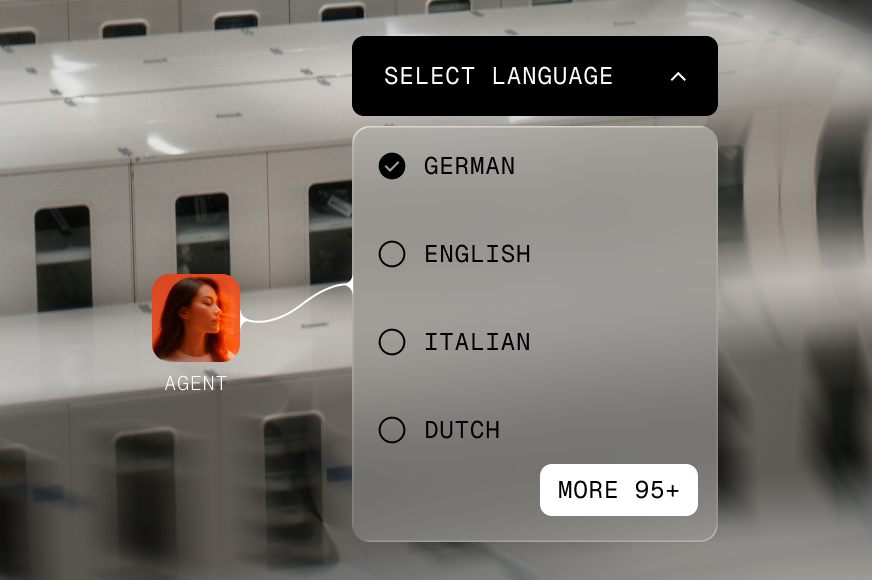
Most businesses go international. But what most don't get is that globalization demands more than translating your website. Studies indicate that 70% of consumers prefer brands offering native-language support, while 62% show more forgiveness for product issues when they can speak to support in their own language.
Companies can provide services in multiple languages through:
Each approach has tradeoffs: native speakers provide the best experience but cost more; outsourcing offers flexibility; AI translation works for simple inquiries but struggles with nuance.
You also need to consider that currencies, payment methods, and return policies vary by region. Take into account:
Lastly, pay attention to tone and expectations, which differ culturally. German customers value directness and efficiency. Japanese customers, on the other hand, expect formal courtesy. And American customers are more appreciative of friendly informality.
Following these differences, it's important that you train agents on these preferences or staff regional teams with local representatives. Because implementing thorough multilingual support isn't optional for global ambitions – it's essential.
You can call yourself a master of Commerce customer service in 2026 if you can balance technology with humanity, efficiency with empathy, and automation with personalization. The stores that thrive will be those that treat support as a strategic advantage to be maximized.
Still, the fundamentals remain constant: respond quickly, resolve issues thoroughly, and make customers feel valued. What needs an upgrade is the execution. So, if you are ready to transform your customer service into your most powerful growth engine, book a meeting with our team. At EverHelp, we build your support operations based on deep ecommerce expertise, proven frameworks, and scalable solutions, designed to grow with your business. So let's give your customers the support experience they deserve, together.
Help someone else stay in the know. Hit that share button!




.webp)

.avif)
.avif)