Growth & Metrics
Published on
06.03.2026
Last updated on
29.09.2026
Answering services companies: 2026 guide for growing businesses

Nataliia
Chief Executive Officer

Nataliia
Chief Executive Officer
.avif)
As we stated in our phone answering guide, when your customers call, and no one picks up, they don’t wait around. For growing businesses in SaaS, eCommerce, fintech, and gaming, every missed call represents lost revenue, damaged trust, and a customer experience failure that compounds over time.
Research shows that 78% of customers will go to a competitor if their call goes unanswered, while 85% of callers won't call back after reaching voicemail. For businesses juggling high call volumes, tight budgets, or round-the-clock operations, these statistics paint a clear picture: your phone line is either a revenue driver or a liability.
This guide breaks down the answering services companies landscape in 2026, comparing traditional voice-only providers against modern omnichannel solutions.
Whether you need basic after-hours coverage or a full customer support operation spanning phone, chat, email, and social media, you’ll find practical guidance on features, pricing, and how to match the right provider to your business needs.
Disclaimer: This guide was researched and published by the team at Everhelp. We’ve included ourselves in this 2026 ranking because we believe our focus on high-resolution support and rapid scaling offers a unique competitive advantage for growing firms, but we’ve also provided a balanced look at our peers to help you find the partner that best fits your specific operational needs. All trademarks and brand names belong to their respective owners and are used for identification purposes only. No affiliation or endorsement is implied with any third-party company listed here unless explicitly stated. Competitor information is based on publicly available sources and is accurate as of September 29, 2026. Providers may update their offerings at any time, so we recommend confirming current details directly with each company before making a decision.
Voice remains the foundation of the answering-services market, but the category increasingly combines live call handling with virtual receptionist work such as appointment scheduling, lead intake, call routing, CRM updates, bilingual coverage, live chat, and AI-assisted automation.
The broader global call and contact center outsourcing market was estimated at $97.31 billion in 2024 and is projected to reach $163.86 billion by 2030, illustrating the continuing scale of outsourced customer-contact operations.
Pricing and features verified in Q1 2026 where publicly available. Actual rates vary based on volume, features, and contract terms.
Answering services companies are third-party providers that handle inbound phone calls (and increasingly chat, email, and SMS too) on behalf of businesses. They ensure your customers reach a live person or intelligent system instead of voicemail, even outside business hours or during peak call volume periods.
The terminology can get confusing, so here’s how the main categories break down:
Answering services evolved from voice-only operations in the 1990s and 2000s to today’s AI-supported, omnichannel operations. Modern providers integrate AI for initial triage, multilingual human agents for complex interactions, and seamless connections to CRM systems like Salesforce and HubSpot.
Many answering services now integrate AI assistants (like Everhelp's Evly) to handle routine queries while humans focus on complex cases requiring judgment, empathy, or technical expertise.
Before diving into detailed breakdowns, here’s a comparison snapshot to help you quickly identify which providers match your situation. This overview covers core channels, pricing models, and ideal customer types for the most commonly evaluated answering services companies.
Everhelp
AnswerConnect
Ruby
Specialty Answering Service (SAS)
PATLive
Moneypenny
Smith.ai
Entry-level packages often start under $100–$150/month for low-volume callers. AI-per-call models typically run $1.50–$3 per interaction. Advanced omnichannel support with dedicated teams can scale into thousands per month depending on volume and complexity.
This section provides deeper guidance on how the most frequently mentioned providers operate and which businesses they serve best. Each review covers features, pricing approach, and ideal use cases based on 2025–2026 market data.
Focus your evaluation on differentiation: what each provider does uniquely, whether that’s HIPAA compliance, analytics dashboards, or the specific AI-to-human handoff model they use.
Best fit: Fast-growing businesses in SaaS, eCommerce, and Fintech that need more than a "message taker." Everhelp is the ideal choice for companies requiring a professional front-office presence that can handle complex workflows directly within the client's existing tech stack. This, for example, includes processing orders, resolving technical T1 issues, and managing 24/7 multilingual intake.
Everhelp represents the "Agile BPO" model of 2026. While many services function as a simple gatekeeper, Everhelp focuses on "High-Resolution Answering," where the goal is to solve the caller's problem on the first touch rather than just taking a name and number. They utilize a 28-day "Critical Path" onboarding to ensure agents are fully trained on a brand’s specific product nuance and tone before the first call ever goes live.
Key features:
Pricing approach: As a result-as-a-service ecosystem, Everhelp offers three different collaboration models: human-only, AI-only, and hybrid human+AI support. Their human teams operate within Dedicated , Shared Team, and Talent Only formats. Unlike the flat per-call fees of boutique services, their model is designed for scalability and efficiency, with average rates for nearshore/offshore talent typically staying under $25/hr. This makes them 40–60% more cost-effective than in-house hiring for businesses with consistent or high-volume call pattern
{{cta}}
Best fit: Cost-conscious small businesses that want 24/7 live answering, flexible scripts, and web-based account controls without purchasing an enterprise contact-center platform. It can suit U.S.-based legal, service, and healthcare-adjacent businesses, although healthcare organizations should confirm the specific HIPAA-enabled configuration, agreement, message handling, and call-recording policies.
Specialty Answering Service is a long-running U.S. telephone-answering provider offering 24/7 live call coverage with optional email, web chat, integrations, account-management tools, and specialized workflows. It is best known for allowing businesses to manage call-handling instructions and service availability through a customer portal.
Key features:
Pricing approach: SAS offers both per-call and per-minute billing. Its Essentials service is marketed as a per-call option starting around $1 per call, while Advanced service uses per-minute pricing and includes a secure portal designed for more complex workflows.
Best fit: Businesses that need 24/7 live answering, bilingual English/Spanish support, appointment setting, lead intake, and customizable call scripts. It can be a good option for service businesses, marketing-led firms, and healthcare organizations, but high-volume teams should model its minute allowances and overage charges before committing.
AnswerConnect is a 24/7 live answering service that combines phone coverage, appointment scheduling, order taking, lead capture, and optional customer-support workflows. It emphasizes customized call handling and message delivery through desktop and mobile account tools.answerconnect+1
Key features:
Pricing approach: AnswerConnect uses bundled-minute plans rather than unlimited usage. Current competitor-reviewed pricing is reported to start at $350/month for 200 minutes. Entry and Standard plans list a $49.99 setup fee; overage costs of $1.85-$2.50/minute apply on different plans.
Best fit: Businesses that need live phone-based lead capture, appointment support, order inquiries, event registration, or customer-service coverage from U.S.-based receptionists. It can suit ecommerce brands and marketing campaigns where a live caller interaction is part of the conversion path.
PATLive is a U.S.-based live answering and virtual-receptionist service offering 24/7 coverage, lead capture, order support, appointment-related workflows, and customer inquiries. It goes beyond basic message taking when scripts and workflows are configured for order or registration handling.patlive+1
Key features:
Pricing approach: PATLive advertises plans from $49/month, but that specific package doesn't include any minutes and comes with $2.99 for every extra minute. The lowest minute-based plan comes at a price of $99 for 50 minutes + $2.29 for any extra minutes.
Best fit: Professional services firms, including law offices, consultancies, medical practices, and agencies seeking exceptional customer service rather than budget pricing. Ruby works well for businesses where caller perception directly impacts revenue, for example, legal intake, high-end consulting, and medical scheduling scenarios.
Ruby is a premium live receptionist and virtual-receptionist service focused on professional call handling, detailed messages, appointment scheduling, and brand-aligned caller interactions. Its core value proposition is customer-facing quality rather than low-cost call coverage.
Key features:
Pricing approach: Ruby’s per-minute rates sit on the higher end of the market, with plans starting around $250/month for 50 minutes. The premium reflects U.S.-based staffing and the intensive focus on call quality and caller experience.
Best fit: UK- and U.S.-oriented businesses that want live answering, virtual receptionist support, live chat, and the option to add AI call handling or human escalation. It is most relevant for businesses that value broad coverage and a recognized answering-service provider rather than a bare-bones message-taking service.
Moneypenny provides live telephone answering, virtual receptionist services, live chat, and AI-assisted answering. Its service mix can support lead capture, call routing, basic scheduling, and branded caller handling, although the exact workflow and integration options should be confirmed by the vendor.
Key features:
Pricing approach: Moneypenny’s U.S. people-answering plans start at $165/month for 50 minutes + $2.28 for extra minutes. Its AI Answering product is priced separately on a per-call basis, starting from $69/month for 25 calls (extra calls are handle at $2.49/call).
Best fit: Businesses that want AI to handle routine answering, lead qualification, scheduling, and routing while retaining an option for live human escalation through AI + agent workflows. It can work well for legal, consulting, home-service, and professional-service workflows where call handling is structured but exceptions still require judgment.
Smith.ai offers three distinct models: AI Receptionist, human Virtual Receptionist, and Hybrid AI + Human. All are primarily billed per call rather than per minute, but their pricing and capabilities differ substantially.
Key features:
Pricing approach: Smith.ai uses per-call billing. AI Receptionist typically costs about $1.60–$3 per call, depending on plan and overage. Human Virtual Receptionist starts at $300/month for 30 calls, with published human-service overages of approximately $8.50–$11.50 per call. Hybrid pricing should be quoted with the Live Agent Handoff fee and anticipated transfer rate included.
Understanding the terminology differences matters when comparing providers and evaluating what you actually need in 2026. The terms get used loosely in marketing materials, but they represent meaningfully different service levels.
Practical example: A SaaS startup in 2026 might begin with a basic answering service to avoid unanswered calls during product development. As the customer base grows and support tickets multiply, they upgrade to EverHelp as a full outsourced support team handling phone, chat, and email while integrating with their help desk and CRM.
Note: The right category depends on your current call volume, the complexity of customer queries you receive, and your growth trajectory. Starting with more capability than you need costs money; starting with less creates a poor customer experience as you scale.
When evaluating dozens of providers, focus your assessment on these core feature categories. Treat this as a checklist during vendor demos and trial periods.
1. 24/7 availability and response times: Look for guaranteed coverage, including weekends and holidays. Ask about specific SLAs—what’s the target answer time? The best answering service providers deliver sub-30-second answer rates for calls and sub-1-minute first response for chat. Services operating 24/7 typically boost response rates to 95–99% and reduce missed revenue by 20–30% for small businesses.
2. Channel coverage: Determine which customer support channels you need — voice only, voice plus chat, or full omnichannel coverage. In 2026, approximately 80% of providers will offer multi-channel options. EverHelp specializes in unified omnichannel support covering phone, email, live chat, SMS, in-app, and social DMs from a single platform.
3. Scripting and customization: Evaluate the ability to tailor greetings, FAQs, escalation paths, and per-campaign scripts. Some providers offer web-based portals for real-time script adjustments; others require support tickets for changes. Customization directly impacts how callers perceive your brand.
4. Integrations: Check connections to CRMs (Salesforce, HubSpot), help desks (Zendesk, Intercom), and eCommerce/booking systems (Shopify, Calendly). Seamless data flow between your answering service and existing business systems eliminates manual data entry and ensures customer interactions sync automatically.
5. Analytics and reporting: Dashboards showing call reasons, conversion metrics, peak times, and service-level performance help you optimize staffing and marketing. Providers like Moneypenny excel here. Access to call data and recordings enables quality assurance and training.
6. Compliance and security: Identify requirements early. GDPR matters for EU customers. PCI DSS applies to payment handling. HIPAA/HITRUST concerns healthcare providers. Rule out providers that can’t document compliance with your specific sector rules.
7. Bilingual or multilingual coverage: U.S. businesses commonly need English/Spanish support. Global online businesses expanding to EU or APAC markets require additional language coverage. CSA Research found that
As such, multilingual capabilities play an important role in your business success.
8. AI capabilities: Tools like EverHelp’s Evly reduce per-interaction costs, shorten handle times by up to 50% for first response, and maintain consistent quality via automated QA. AI-hybrid models can achieve 70-85% automation rates for routine queries while preserving human handling for complex cases.
Answering service pricing varies widely, and understanding the models prevents budget surprises. The right structure depends on your call volume patterns, channel mix, and predictability needs.
Per-minute billing: Common with traditional providers like SAS and MAP Communications. Rates typically run $1.25–$2.50 per minute with low monthly base fees around $30. Cheaper per-minute rates may include fewer advanced features or limited integrations. Works well for businesses with low, unpredictable call volume who want to avoid large monthly commitments.
Per-call / per-interaction billing: More common with AI-heavy services like Smith.ai and emerging providers like XBert AI. Rates typically run $2–$3 per call or interaction. This model rewards efficiency and works well when AI handles initial triage. Better for businesses with consistent call patterns where per-minute billing would cost more.
Bundled plans: Monthly packages with a fixed block of minutes or calls plus overage fees. AnswerConnect's plans start arounf $350 for 200 minutes. Ruby starts around $250/month. Bundled plans provide budget predictability for steady call volume but may overcharge low-volume users.
Custom BPO contracts (Everhelp style): Pricing based on FTEs, language mix, channels covered, and required SLAs. Typically involves dedicated teams with quality assurance, training, and multilingual capabilities. Scales for volume spikes during product launches, holiday sales, or game releases. Requires volume commitments but provides the most flexibility and capability.
Hidden costs to ask about:
Comparison example:
A small clinic using a 24/7 per-minute plan might pay $30 base plus usage, saving $500/month compared to hiring staff. An online SaaS company using Everhelp with a dedicated blended (phone + chat) team pays a custom monthly rate but gets multilingual coverage, CRM integration, and the ability to handle 10x volume spikes during launches without quality degradation.
Rather than generic advice, follow this step-by-step decision framework to match your specific situation with the right provider.
Pull the last 3–6 months of call logs, chat transcripts, and support tickets. Identify:
In 2026, phone-only coverage may suffice for some businesses, but growth-stage companies typically need phone plus chat at a minimum. Consider:
List the specific functions you need:
Document your requirements early:
Rule out providers that can’t demonstrate compliance with your requirements.
Include at least one full-service option like EverHelp if you expect growth or multi-channel needs. Your shortlist might include:
Commit to a 30–90 day pilot period. Monitor:
Consider scalability: Can the provider handle sudden spikes—product launches, holiday sales, game releases—without degraded service? Providers with flexible staffing models and AI augmentation handle variability better than those with fixed agent pools.
Pro Tip: Use our vendor's checklist to evaluate objectively the potential support outsourcing providers.
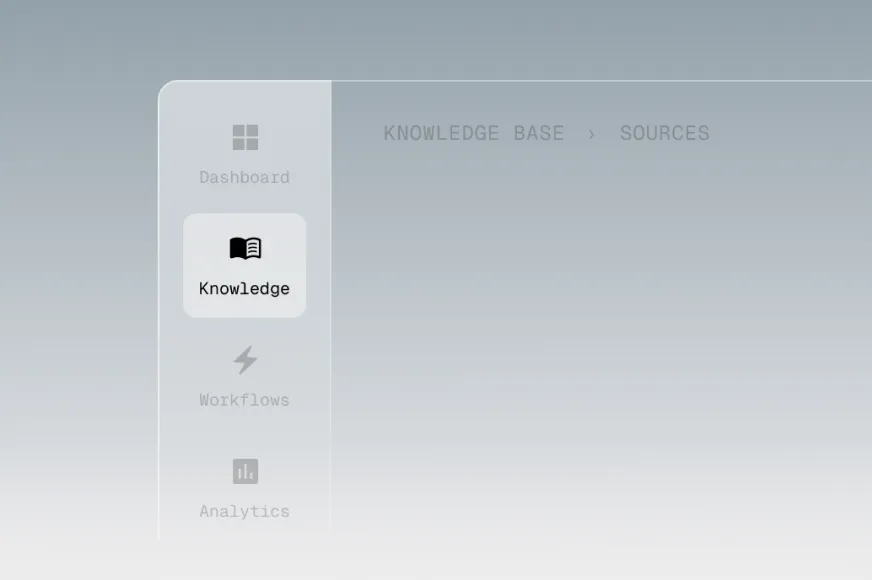
High-growth digital businesses face a specific challenge: customer expectations increase faster than internal teams can scale. When your SaaS platform adds 1,000 users in a month or your eCommerce store runs a viral campaign, customer inquiries multiply overnight. Building internal support teams fast enough to match growth isn’t practical or cost-effective.EverHelp addresses this gap with capabilities designed for scaling businesses:
Simultaneous coverage of phone, email, chat, in-app, and social DMs means customers reach you on their preferred channel. No bouncing between vendors or disconnected systems. All customer interactions flow through one platform with shared context.
The Evly AI assistant automates FAQs, handles initial triage, captures data, and routes to trained agents for complex issues and escalations. This approach reduces per-interaction costs 20–40% compared to traditional voice-only services while maintaining satisfied customers through human handling of sensitive situations.
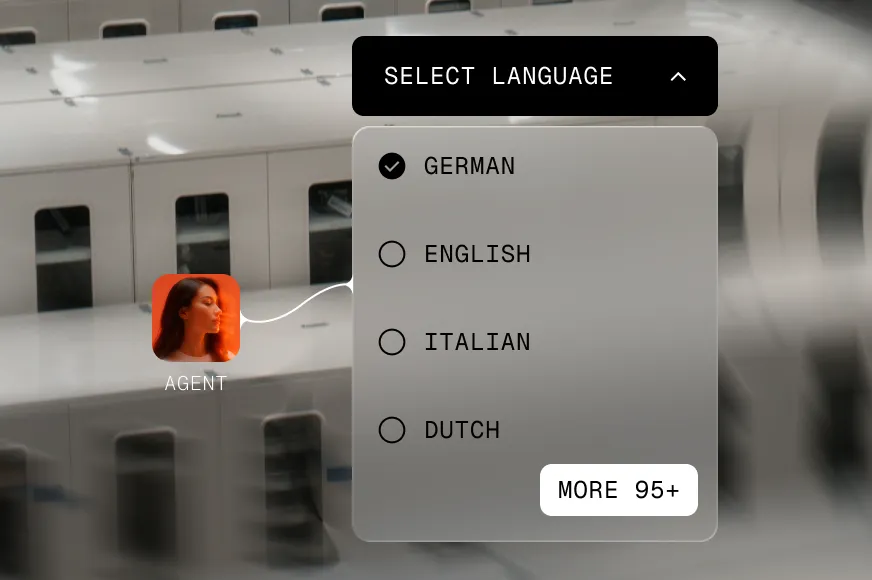
Support in key languages for North America, EMEA, and APAC allows brands to expand internationally without building local teams from scratch. Adding a new market doesn’t require hiring, training, and managing a new support operation.
Deep industry expertise: EverHelp maintains playbooks for:
Measurable outcomes:
Scenario:
A 2025–2026 fintech startup expanding from the EU to the U.S. uses EverHelp for 24/7 multilingual answering and KYC support. Rather than building an internal call center across two continents, they deploy EverHelp’s existing infrastructure and trained agents. Customer interactions in English, German, and French route to appropriate agents automatically. Compliance documentation for GDPR and PCI DSS comes standard. The startup focuses resources on product development while EverHelp handles the reliable call handling and customer communication their users expect.
Modern answering services span from basic after-hours call handling to full outsourced, AI-assisted, omnichannel support. The market in 2026 offers more options than ever—per-minute voice services for lean operations, AI-hybrid models for cost efficiency, and comprehensive BPO partnerships for businesses ready to scale customer experience globally.
Choosing the right reliable partner means aligning channels, features, security, and pricing with your business stage and growth plans. A solo professional needs different capabilities than a Series B SaaS company expanding into three new markets. Match the solution to your reality, not to marketing hype.
Everhelp fits best when companies are ready to move beyond simple answering toward scalable, multilingual, multi-channel customer support. When excellent customer service across phone, chat, email, and social becomes a competitive advantage rather than a cost center, the omnichannel BPO model delivers results that basic answering services cannot match.
Your next steps:
Then speak with EverHelp about building a tailored answering and support solution that turns every customer interaction into an opportunity to enhance customer satisfaction and drive growth.
{{cta}}
The difference comes down to how much the service does for each caller. A basic answering service focuses on inbound calls: agents greet callers, take messages, transfer urgent calls, and log contact details. It usually costs $1.25–$2.50 per minute with a low monthly base fee, which makes it a good fit for simple after-hours coverage.
A virtual receptionist works more like an extension of your front office. On top of answering calls, they can qualify leads, book appointments directly into calendars like Calendly or Google Calendar, handle simple FAQs, and fill in intake forms. Plans typically range from $65 to $329 per month. If you need callers engaged rather than just logged, a virtual receptionist is the better choice.
Pricing depends on your call volume, the tasks you need covered, and the billing model:
Before signing, ask about setup fees, overage rates, script-change fees, holiday premiums, and surcharges for non-English calls. These can add significantly to the monthly bill.
With human agents, most callers won't notice the difference if the service is set up well. Good providers use custom scripts, answer with your company name, and work directly in your CRM or help desk (such as Salesforce, HubSpot, or Zendesk), so agents can see a customer's history and respond with context. A structured onboarding period, where agents learn your product and brand tone before going live, also makes a big difference.
AI is different. If an AI agent handles the conversation, customers need to be told about that upfront. Since August 2, 2026, the EU AI Act requires businesses to inform people when they are interacting with an AI system unless it's already obvious, and similar disclosure rules exist in some U.S. states. The goal isn't to hide who is answering, but to make every interaction feel consistent with your brand, whether it's handled by an in-house team, an outsourced agent, or an AI assistant.
The right provider depends on your business model, call volume, and the channels you need. Some of the most commonly evaluated options in 2026 include:
Ratings and pricing are based on publicly available information as of September 2026 and may change, so confirm current details with each provider.
Help someone else stay in the know. Hit that share button!
.png)



.webp)

.avif)