While most eCommerce businesses focus their personalization efforts on the checkout page, they're missing something crucial: customers form opinions about your brand long before they click "Buy Now" – and long after. A shopper who receives a generic "Dear Customer" email after spending two hours browsing your site isn't just disappointed. They're already looking at your competitor's tab.
Here's what the data tells us: 81% of customers prefer companies that offer personalized experiences, and 70% expect employees to know their purchase history and past interactions. Yet there's a striking gap – while 85% of companies believe they deliver personalized experiences, only 60% of customers agree.
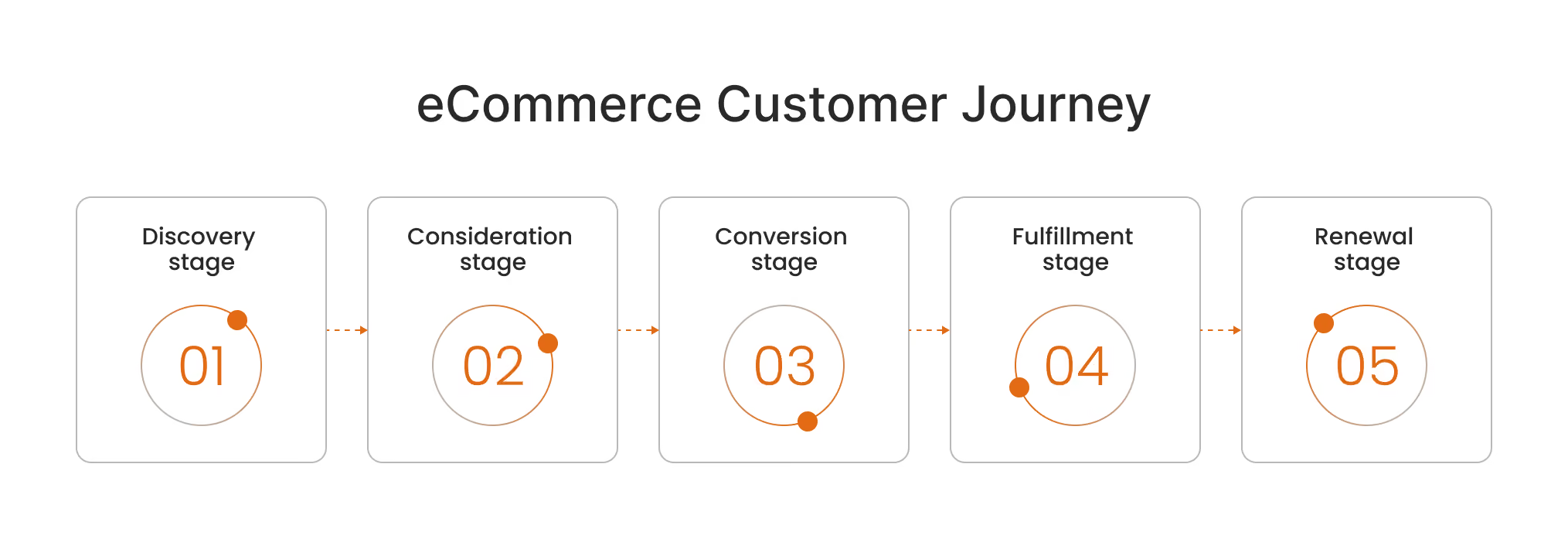
This article breaks down customer personalization in ecommerce across five distinct journey stages, with real examples from brands getting it right and practical strategies you can implement this quarter.
Benefits of Personalization in eCommerce: Data-Backed Impact
Before diving into tactics, let's address the "why" – because personalization isn't just a nice-to-have anymore. It's a revenue driver.
McKinsey's research reveals that companies with strong personalization engines are 48% more likely to exceed revenue targets. They also see customer acquisition costs drop by up to 50% and marketing ROI increase by 10–30%.
But here's the number that should stop every eCommerce leader in their tracks: 62% of consumers say they'd abandon a brand that fails to personalize their experience.
The expectation is clear: customers want brands to recognize them, remember their preferences, and act on context in real time. We break this down in our customer support trends report, including why personalization makes customer satisfaction soar.
Table: eCommerce Personalization vs Business Metrics
Metric
Impact of Personalization
Revenue lift
5–15% increase
Customer acquisition cost
Up to 50% reduction
Email transaction rates
6x higher with personalization
Average order value
10–30% boost from personalized upsells
Repeat purchase rate
60% of shoppers return after a personalized experience
The message is clear: personalization pays. Now let's explore how to implement it at every touchpoint.
Stage 1: Discovery – First Impressions That Actually Matter
The discovery stage is where potential customers first encounter your brand. They're browsing, comparing, maybe just killing time on their lunch break. Your job? Make them feel like your store was built specifically for them.
The Basics
Searchable knowledge base: Build an FAQ section that anticipates questions before customers ask them. Organize content by product type, common pain points, and user persona. 81% of customers will try to solve their problem on their own before contacting customer service. Also, ensure your support team can find any answer in three clicks or fewer.
eCommerce live chat implementation: A visible chat widget with fast response times signals that you're ready to help. Train agents to be conversational – yes, even when someone asks something that's clearly written in bold on the product page.
Advanced Tactics
Proactive product recommendations: Leverage website visitor data (browsing history, demographics, previous searches) to suggest relevant products or content. Implement smart search suggestions and dynamic product carousels tailored to each user's browsing behavior. Chatbots can also offer personalized recommendations based on initial interactions. Dynamic ads also automatically adjust creative, copy, and offers based on user data. Many brands now use an AI ad generator when testing different creative approaches across customer segments.
Personalized email outreach: If you capture email addresses during discovery (newsletter signup, exit popups), send targeted sequences showcasing relevant products, tutorials, or special offers based on browsing behavior. Segment your audience by interests and deliver content tailored to specific needs.
Interactive content and quizzes: Create engaging quizzes, product comparisons, or interactive buying guides to help users discover the perfect product while subtly collecting valuable data. Follow up with personalized emails based on quiz results, guiding users toward relevant solutions.
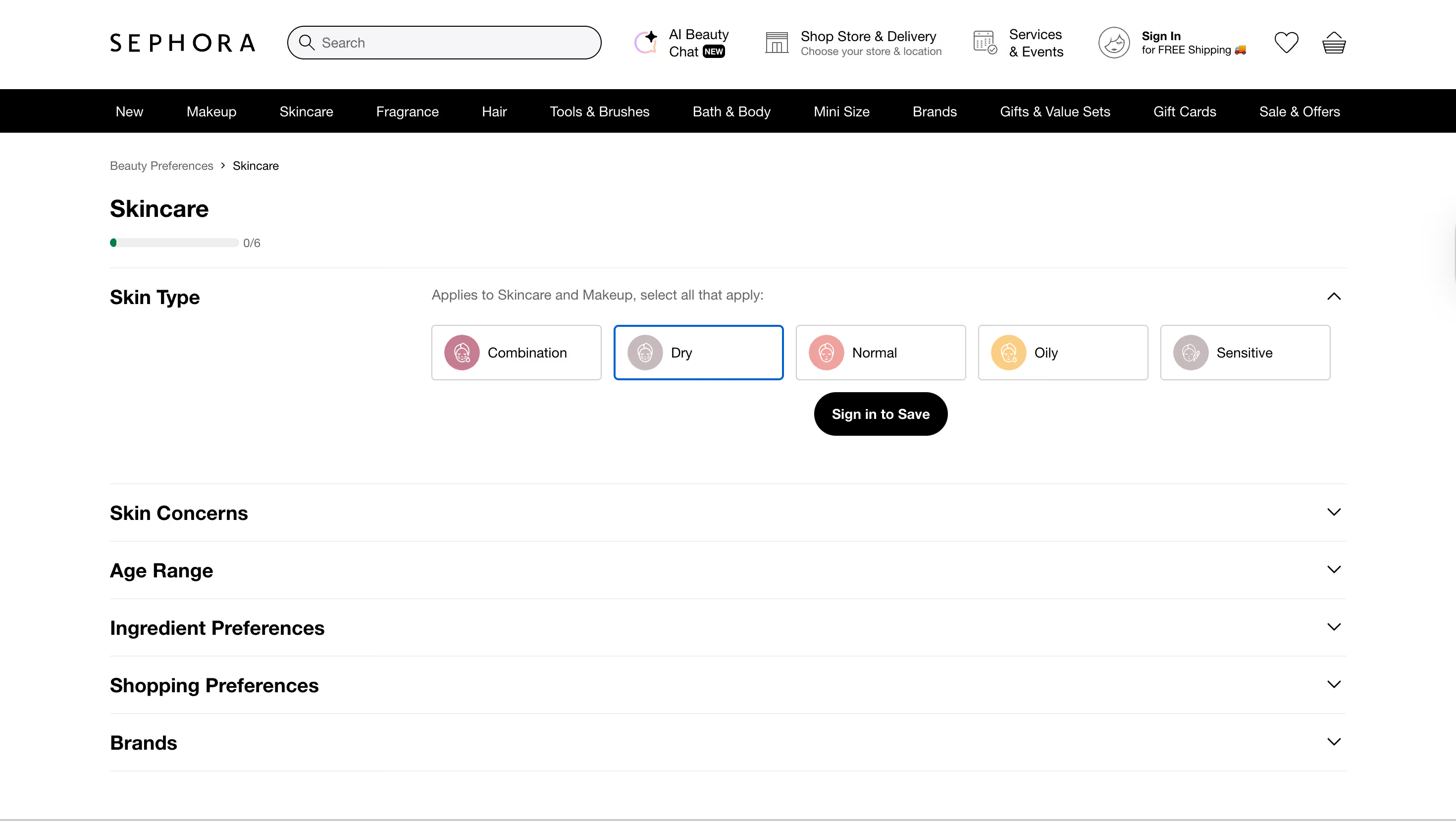
Sephora: Beauty Quiz
Sephora nails discovery-stage personalization with their BeautyQuizzes. Instead of overwhelming first-time visitors with 3,000 products, they ask a few targeted questions about skin type, concerns, and style preferences. The quiz data feeds directly into their recommendation engine, so every subsequent interaction with an agent feels curated.
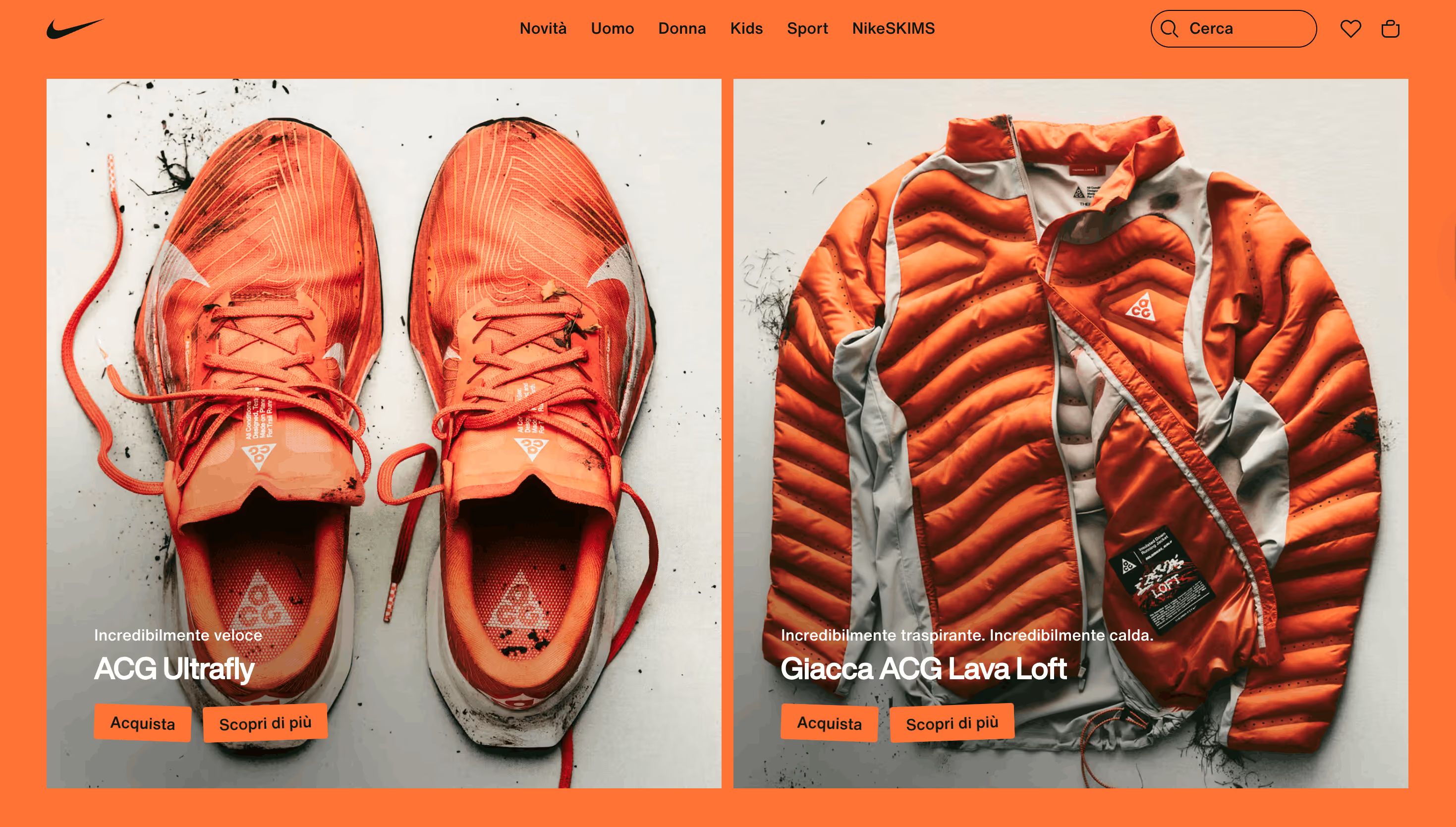
Nike: Geographic Market Adaptation
Nike takes a different approach – a personalized shopping experience based ongeography. Their UK and US homepages aren't just translated; they feature entirely different products, imagery, and cultural references. A visitor from London sees content that resonates with London shoppers.
Pro tip: Capture zero-party data early. 57% of online shoppers will share personal information in exchange for personalized offers. A simple "What brings you here today?" pop-up can transform anonymous browsers into understood visitors.
Stage 2: Consideration – When They're Comparing You to Everyone Else
At this point, customers know what they want – they're just not sure they want it from you. Your support team's mission: address hesitations before they become deal-breakers.
The Basics
Review past interactions: Before engaging a returning visitor, check their chat history, support tickets, and browsing behavior. Nothing kills trust faster than asking someone to repeat themselves.
Active listening protocols: Train support agents to dig deeper. If a customer asks about durability, they're probably comparing you to a competitor who emphasizes quality. Address the underlying concern, not just the surface question.
Free trials and guarantees: Remove perceived risk. A 30-day money-back guarantee isn't just a policy – it's a personalization signal that says "we're confident you'll love this."
Highlight relevant features: Don't just list features; explain how specific features address the customer's unique challenges. Use real-world examples or case studies to illustrate the value proposition.
Express gratitude and follow-up: Thank the customer for their time and consideration, even if they don't make an immediate purchase. Offer to follow up with additional information or answer any future questions they may have.
Advanced Tactics
Send tailored product comparisons: When comparing products, directly address the competitor's features the customer mentioned and highlight how your product offers a better solution.
Offer multiple support channels: Go omnichannel to allow customers to choose their preferred communication channel – live chat, email, or phone. Meet them where they are.
Share success stories: Share relevant customer success stories that address similar challenges. This showcases a real positive impact and builds confidence.
Sentiment analysis: Use sentiment analysis tools to detect frustration or hesitation in live chats and trigger supervisor escalation or targeted discount offers. Retailers already rely on AI solutions like Evly to route sensitive conversations to the right contact at the right moment.
Targeted chat messages: Implement triggered chat messages based on browsing behavior. If a customer lingers on the pricing page, offer a quick chat to answer pricing questions or highlight relevant discounts.
Amazon: Smart Product Recommendations
Amazon's recommendation engine, responsible for roughly 35% of the company's total sales, excels here. "Customers who viewed this also viewed" isn't random; it's behavioral data transformed into decision support. Shoppers stay in the Amazon ecosystem because the platform genuinely helps them compare options.
{{cta}}
Stage 3: Conversion – The Moment of Truth
They've added items to their cart. They're hovering over the checkout button. This is where personalized shopping experience strategies either seal the deal or lose it.
The Basics
Real-time support: Offer live chat specifically on checkout pages. Address last-minute questions about shipping, returns, or payment security immediately.
Transparent policies: Display return policies, warranties, and delivery estimates prominently. Personalize shipping options based on location – nobody in Alaska wants to see "2-day delivery" that's actually 2-day to the distribution center.
Guest checkout: Not everyone wants to create an account. Forcing registration at checkout is like asking someone to sign a lease before viewing an apartment.
Advanced Tactics
Personalized "click to call" options: Offer a click-to-call button for customers who prefer voice conversations to address concerns directly with a support agent.
Guest checkout option: Provide guest checkout alongside account creation for faster purchase completion – not everyone wants to commit to a relationship on the first date.
Pre-filled forms (with opt-in): Pre-fill checkout forms with information gathered during previous interactions (with customer consent) to minimize friction and speed up the process.
Live chat with trust badges: Integrate live chat functionality with trust badges from security vendors or customer satisfaction platforms to provide additional reassurance during checkout.
Exit-intent personalization: When cursor movement suggests someone's about to leave, trigger a pop-up – but make it relevant. A first-time visitor might see a 10% discount; a returning customer might see free shipping on their usual order size.
Sephora's checkout experience includes a "Persistent Cart" feature – items stay saved across devices, so customers can add products on mobile during their commute and complete the purchase on a desktop at home. During checkout, they show "Add this for under $15" recommendations based on what's already in the cart.
Stage 4: Fulfillment – Where Loyalty Is Won or Lost
The purchase is complete. Now what? Most brands go silent until delivery – and that's a mistake. The fulfillment stage is prime territory for building relationships with a well-thought-out eCommerce personalization strategy.
The Basics
Personalized order confirmations: Include the customer's name (properly capitalized), ordered items with images, and realistic delivery windows. Generic "Your order is confirmed" emails are forgettable.
Proactive shipping updates: Don't wait for customers to track their package. Send updates when it ships, when it's out for delivery, and when it arrives.
Product tutorials: For complex products, send personalized setup guides or video tutorials. A customer who bought a smart home device doesn't need the same onboarding as someone who bought a t-shirt.
Advanced Tactics
Personalized delivery confirmation emails: Upon shipment confirmation, send personalized emails offering estimated delivery windows and options to manage deliveries (hold at location, reschedule, etc.).
Personalized customer feedback requests: After delivery, send personalized email requests for customer feedback on their purchase experience. This helps identify areas for improvement and address lingering concerns.
Targeted upsell and cross-sell: Recommend complementary products or accessories based on purchase history – but ensure recommendations are relevant and avoid being overly promotional. For example, a pet food subscription renewal could prompt a recommendation for new toys or treats based on the pet's breed.
Personalized product tutorials and guides: Based on the purchased product, send personalized emails with tutorials, assembly instructions, or care guides to enhance the customer experience.
Unboxing experience with a dash of personal care: Include packing slips with the customer's name and tailored product care tips. Add QR codes linking to personalized tutorial content. For VIP customers, consider custom packaging or handwritten thank-you notes.
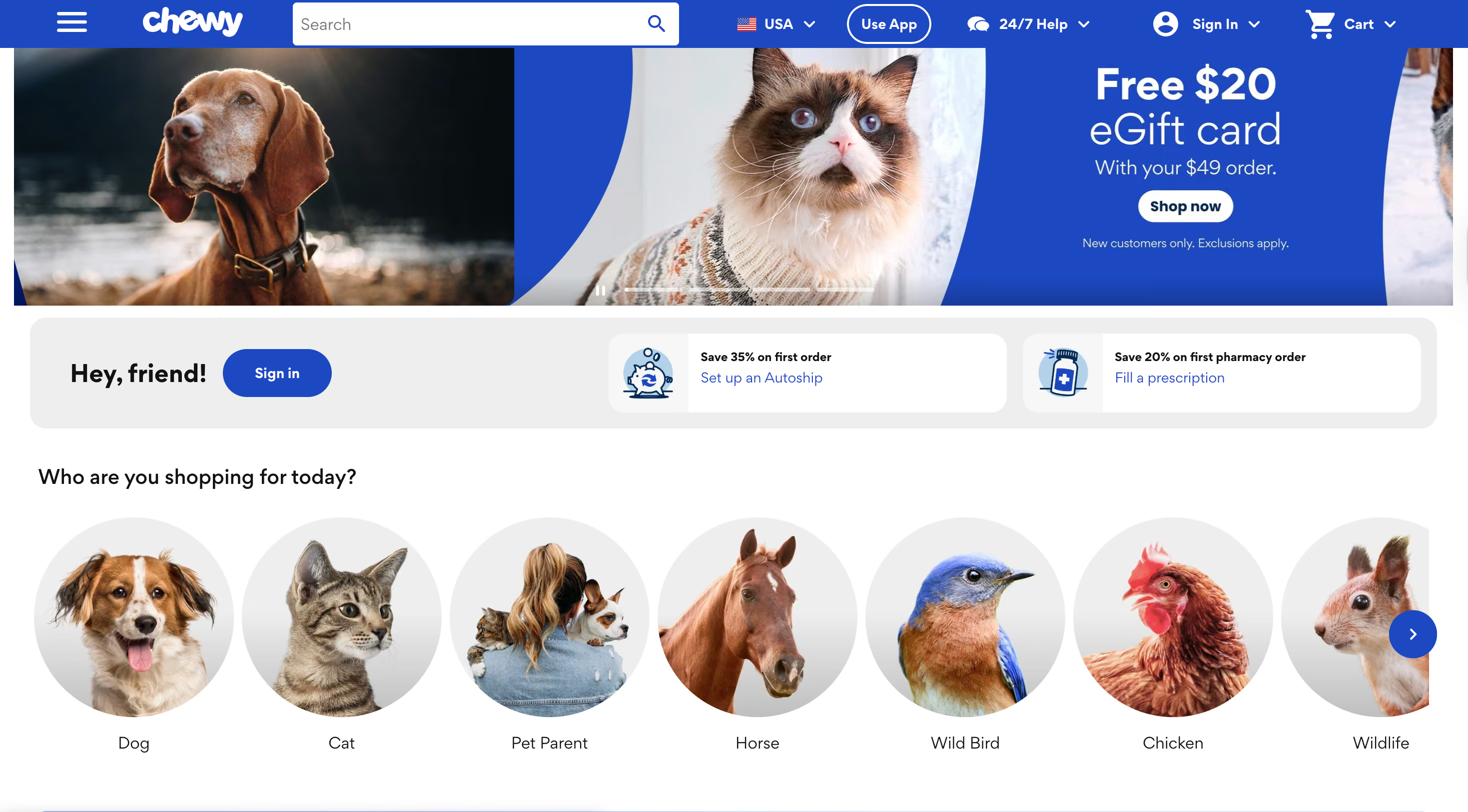
Chewy: Thoughtful Post-Purchase Gestures
Chewy, the pet supply retailer, has built a cult following through fulfillment-stage personalization. They send handwritten welcome cards to new customers, proactively reach out when prescription refills are due, and, in a move that's become legendary, send sympathy flowers when they learn a customer's pet has passed away. These touches aren't scalable in the traditional sense, but they generate word-of-mouth that no advertising budget can buy.
Stage 5: Renewal and Retention – Turning Buyers Into Advocates
Acquiring a new customer costs 5–25x more than retaining an existing one. The renewal stage is where eCommerce personalization delivers its highest ROI.
The Basics
Dedicated renewal specialists: Train support staff to understand your subscription options, product bundles, and loyalty tiers. Proactive outreach before renewal dates shows you're paying attention.
Personalized reminders: "Your subscription renews in 7 days" is fine. "Your subscription renews in 7 days – and we've added 2 new products in your preferred category since your last order" is better.
Feedback loops: Ask for reviews and suggestions, then close the loop by notifying customers when you've acted on their input.
Advanced Tactics
One-click renewal option: Offer a secure one-click renewal option for customers who prefer a streamlined experience. Ensure this option is clearly opt-out-able and requires confirmation before processing.
Multiple renewal channels: Provide various secure renewal options – online portal, phone support for personalized assistance, or in-app renewal mechanisms within your mobile app.
Predictive churn prevention: AI tools can identify at-risk customers before they leave by analyzing engagement patterns, purchase frequency, and support interactions. A customer who typically orders monthly but hasn't visited in 45 days might receive a personalized "We miss you" offer before they even realize they've drifted away.
Sephora: Beauty Insider
Sephora's Beauty Insider program demonstrates renewal-stage excellence. With 25+ million active members, the program offers tiered rewards based on spending, personalized birthday gifts, early access to new products, and exclusive events. The result? 80% of Sephora's total sales come from Beauty Insider members.
AI eCommerce Personalization: Tools That Scale Human Touch
Let's be honest: true personalization at scale requires technology. Here's what's working in 2026:
AI-powered chatbots: Modern chatbots do more than answer FAQs. For example, Sephora's chatbot provides personalized product recommendations based on skin tone, style preferences, and purchase history – available 24/7. The result: higher customer satisfaction scores and reduced wait times for human agents to handle complex issues.
Customer data platforms (CDPs): 72% of businesses now use CDPs to unify customer profiles across touchpoints. When your support agent can see a customer's browsing history, past purchases, and support tickets in one view, every interaction becomes personalized by default.
Sentiment analysis: Real-time emotion detection helps agents adapt their tone and approach. A frustrated customer needs empathy first, solutions second. AI can flag these interactions before they escalate.
A word of caution: 34% of shoppers over 55 view AI-powered personalization negatively. Segment your approach – younger demographics may appreciate AI recommendations, while older customers might prefer human touchpoints.
Not sure where AI fits and where it doesn't? Our AI in customer service handbook breaks down escalation triggers, decision trees, and the mistakes we've made so you don't have to.
Challenges and How to Overcome Them
Customer personalization in eCommerce isn't without obstacles. Here's what commonly goes wrong – and how to fix it. We’ve highlighted 4 most common drawbacks eCommerce brands face when trying to personalize.
1. Data Silos
When your CRM doesn't talk to your support platform, personalization falls apart. Invest in integrations or a unified platform. The eCommerce customer experience depends on connected data.
2. Privacy Concerns
Be transparent about data collection. Four out of five consumers cite privacy policies as important for brand loyalty. Offer clear opt-out options and explain the value exchange.
3. Resource Constraints
Small teams can't do everything. Start with high-impact, low-effort wins – like personalizing email subject lines or segmenting customers by purchase frequency. Scale from there.
4. Seasonal Spikes
Personalization is harder during Black Friday when volume surges. Plan ahead with temporary staff training or consider eCommerce customer service outsourcing to maintain quality during peak periods.
Bringing It All Together
eCommerce personalization across the customer journey isn't about implementing dozens of tools or rewriting your entire support strategy overnight. It's about recognizing that every touchpoint – from the first browse to the fifth purchase – is an opportunity to show customers you see them as individuals.
Start with one stage. Master it. Then expand.
The brands winning in eCommerce aren't necessarily the ones with the biggest budgets. They're the ones who've internalized a simple truth: customers don't want to be "managed." They want to be understood.
.avif)



.webp)

.webp)

.avif)
.webp)
.webp)